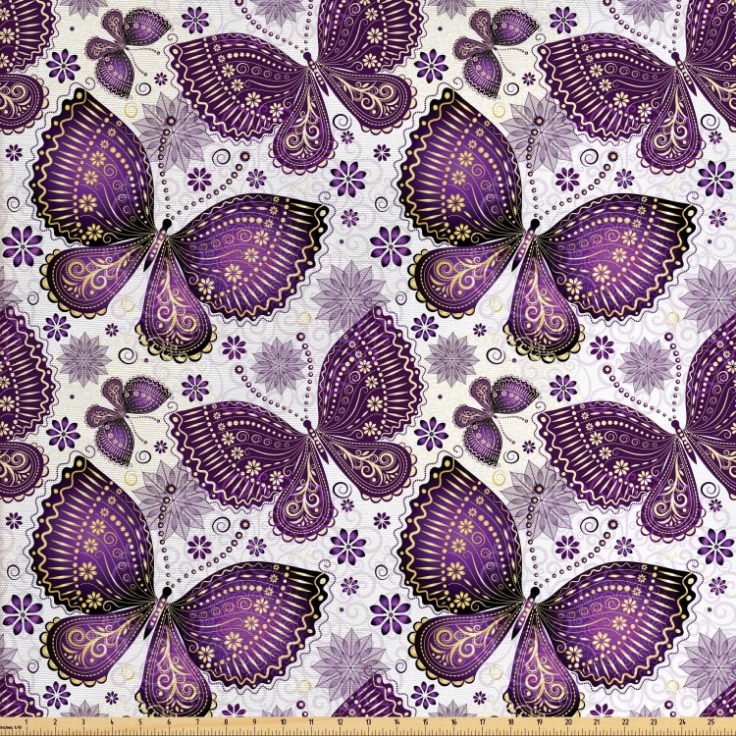
Why Cheap Fabrics Don’t Have to Mean Cheap Quality
Many people assume that when they look for cheap fabrics, they must compromise on quality, durability, or style. In reality, advances in textile production, smart sourcing, and online competition mean you can now find high-quality materials at surprisingly low prices. The key is understanding what makes a fabric valuable, where costs can be cut safely, and how to distinguish true bargains from disappointing purchases.
Price is influenced by several factors: fiber content, weave or knit complexity, finishing processes, brand markups, and distribution. Natural fibers like cotton, linen, and wool can be more expensive, especially when certified organic or ethically sourced. However, blends that combine natural and synthetic fibers often deliver an excellent balance of comfort, performance, and affordability. For instance, a cotton–polyester blend can offer the soft feel of cotton with better wrinkle resistance and lower cost thanks to the synthetic component.
Production scale also matters. Large mills producing massive volumes can reduce per-meter costs dramatically. When these savings are passed along through discount fabrics retailers, end users—home sewists, crafters, small fashion labels, or interior designers—benefit from lower prices without sacrificing structural integrity or design. Clearance lines, end-of-rolls, and overstock from major brands often end up at discount outlets, where the quality remains high but the price is slashed to clear space for new collections.
Another misconception is that cheaper fabric will always feel rough or look obviously low-end. Finishing treatments like brushing, mercerizing, or special softening processes can be applied even to budget textiles, giving them an upscale hand-feel and appearance. What you need to watch for instead are red flags like extremely uneven dyeing, very loose or inconsistent weaving, or strong chemical odors that don’t dissipate after airing out—these can be indicators of poor manufacturing practices rather than simply low price.
By learning to read fiber labels, ask the right questions, and understand how fabric behaves, it’s possible to build a stash of versatile, durable fabrics at a fraction of premium-store prices. For many sewing and craft projects—costumes, children’s clothes that will be quickly outgrown, decor items that may change seasonally—paying luxury prices simply isn’t necessary. Cheap fabrics used intelligently can look and perform like far more expensive materials, stretching both your creativity and your budget.
Choosing the Right Fabrics Online: Fibers, Weaves, and Uses
Shopping for fabric online opens up an enormous range of textures, colors, prints, and specialty materials that may not be available locally. However, without the ability to touch and drape the fabric in person, you need to rely on product descriptions, photos, and your knowledge of textiles. Understanding basic fabric categories helps you select the right option for apparel, home decor, quilting, or craft projects while avoiding costly mistakes.
Begin with fiber content. Cotton is breathable, easy to sew, and ideal for casual clothing, quilts, and everyday home items. Linen offers a crisp hand, excellent breathability, and a sophisticated natural texture, making it suitable for summer clothing and upscale decor, though it wrinkles more. Polyester and other synthetics deliver wrinkle resistance, durability, and strong colorfastness, which are advantageous for uniforms, costumes, and items that require frequent washing. Blends—such as cotton–spandex jerseys or polyester–viscose suiting—combine strengths from multiple fibers to enhance comfort, stretch, or drape.
Next, pay close attention to the weave or knit. Woven fabrics like poplin, twill, and canvas are generally stable, with minimal stretch unless elastane is added. They work well for structured garments, bags, and upholstery. Knits, including jersey, French terry, and rib knits, are naturally stretchy and comfortable, making them perfect for t-shirts, leggings, loungewear, and activewear. When buying online, look for details like weight (GSM), width, and stretch percentage so you can accurately imagine how the fabric will behave.
Drape and weight are critical, especially for garments. Lightweight voiles and lawns are airy and semi-sheer; they gather beautifully for blouses and summer dresses but may need lining. Medium-weight fabrics such as quilting cottons and gabardines are more versatile, suitable for shirts, skirts, trousers, and light jackets. Heavyweights like denim, upholstery jacquards, and canvas provide structure for jeans, workwear, coats, cushions, and bags. Online descriptions that mention “fluid,” “crisp,” “structured,” or “soft drape” offer clues about the way the material will fall on the body or furniture.
Color accuracy is another consideration. Monitors display colors differently, so expect slight variations. Reputable online fabric stores often provide multiple close-up images, sometimes including photos of the fabric gathered or draped over a form. Use these visual cues, and when color matching is critical—such as for bridal wear or coordinating with existing decor—order small samples first if available. This small step can prevent larger, more expensive disappointments down the line.
Finally, think about project-specific needs. Children’s clothing benefits from soft, breathable, easily washed materials like cotton jerseys or brushed cottons. Outdoor cushions require UV-resistant, water-repellent textiles. Formalwear may call for satins, chiffons, or velvets with rich sheen and elegant drape. Matching fabric properties to end use ensures that even budget-friendly purchases perform well in real-world conditions, prolonging the life of finished items and increasing satisfaction with your online selections.
Where to Find the Best Discount Fabrics and How to Shop Smart
Finding the best deals on discount fabrics is less about chasing the absolute lowest price and more about identifying trustworthy sources that balance cost, quality, and variety. Online retailers specializing in discounted textiles often stock end-of-line designer rolls, manufacturer overruns, or bulk purchases that allow them to pass savings along to customers. Exploring these outlets, signing up for newsletters, and tracking seasonal sales can dramatically reduce the cost of building a fabric collection.
One practical strategy is to plan your sewing or crafting calendar around regular sale cycles. Many vendors mark down seasonal prints—like holiday motifs or summer florals—at the end of each season. Buying ahead for the following year can yield substantial savings. Similarly, remnant sections often feature short lengths at steep discounts, ideal for small projects such as accessories, patchwork, or children’s garments. While remnants may not suit large garments or curtains, they’re perfect for expanding your creative possibilities without major expense.
When shopping online, use filters and search terms to narrow options by fiber, color, weight, and intended use. This prevents impulse buys that sit unused because they’re not well matched to any project. Reading customer reviews can reveal how a fabric behaves after washing, whether colors bleed, or if the texture is different from what photos suggest. Over time, you’ll identify preferred lines or mills whose quality is consistently reliable, enabling more confident purchases even during deep discount promotions.
Shipping costs and return policies also affect the overall bargain. A low per-meter price may be offset by high shipping fees, especially on small orders. Combining purchases with friends or consolidating multiple project needs into a single order can spread these costs more efficiently. As for returns, fabric is often considered a customized product once cut, so many shops don’t accept returns except in cases of faults or shipping errors. This makes careful reading of descriptions and, where offered, ordering swatches a sensible precaution.
Some of the most economical sources are retailers that specialize in affordable Cheap Fabrics, offering a wide range of prints, solids, and specialty materials at consistently low prices. These stores frequently refresh their inventories, adding new colors, weaves, and blends as they become available. Regular visitors can take advantage of flash deals and quickly snap up limited stock items. By building a relationship with such suppliers, you gain insight into when new shipments are due, which product lines are particularly good value, and what fabrics are likely to sell out quickly.
Shopping smart also means thinking in terms of versatility. Neutrals like black, navy, gray, beige, and white solids or subtle textures can be used across multiple projects and wardrobes, making them excellent candidates for bulk purchases when heavily discounted. Classic patterns—stripes, small checks, polka dots—rarely go out of style and integrate easily with existing pieces. Prioritizing these timeless options, with occasional splurges on statement prints, ensures that your discounted fabric stash remains useful rather than becoming a collection of impulse buys that no longer suit your taste.
Real-World Inspiration: Projects That Shine with Affordable Fabrics
Seeing how others transform budget-friendly textiles into polished, long-lasting items is one of the best ways to appreciate the potential of affordable fabrics. Across sewing communities, small design studios, and home-based businesses, examples abound of garments and decor projects that look high-end despite modest material costs.
Consider the home sewist who focuses on everyday wardrobe staples. By purchasing medium-weight cotton jersey and ponte knits at discount prices, it’s possible to create a capsule wardrobe of t-shirts, leggings, cardigans, and simple dresses for a fraction of retail cost. When these fabrics are carefully chosen for weight and stretch recovery, the resulting garments wash well, hold their shape, and can be worn for years. Strategic topstitching, clean finishes, and thoughtful details like neckbands and cuffs further elevate the look and feel, making it virtually impossible to tell that the raw materials were inexpensive.
Quilters have long understood the value of mixing premium and budget fabrics within a single project. For pieces such as wall hangings or seasonal throws that won’t experience heavy wear, incorporating discounted cottons in coordinated color palettes makes intricate designs achievable without a prohibitive investment. Some quilters reserve higher-end fabrics for focal blocks or borders while using cheaper solids and blenders in backgrounds. The completed quilt still presents as cohesive and carefully curated, demonstrating that price variation can be cleverly hidden within the design.
In interior decor, DIY enthusiasts frequently turn to affordable canvas, twill, and upholstery-weight textiles to refresh living spaces. Custom cushion covers, simple slipcovers, table runners, and curtains cut from discount rolls provide a dramatic update to a room without the cost of bespoke professional services. Because decor trends shift frequently, using low-cost materials for trend-driven pieces—such as bold prints or seasonal colors—makes it easier to redecorate every few years in a sustainable financial way, while investing more heavily in neutral, long-lasting base items.
Small fashion brands and costume makers also rely heavily on discounted materials to stay profitable. A startup label might use high-quality yet inexpensive poly–viscose blends for initial production runs, allowing them to refine patterns and test market response without sinking funds into luxury textiles. Costume designers for theater or cosplay events often require large yardages of visually impactful fabrics—satins, brocades, organzas—that don’t necessarily need to withstand everyday wear. Accessible pricing enables them to experiment with color, texture, and embellishment on a scale that would be impossible with full-price designer yardage.
Across all these examples, the common thread is thoughtful selection combined with solid craftsmanship. Choosing cheap fabrics is only the first step; pairing them with good construction techniques, appropriate interfacing, careful pressing, and suitable thread and notions turns them into beautiful finished items. When materials are respected and handled skillfully, their lower price becomes a hidden detail rather than a visible flaw, empowering makers at every level to explore their creativity without financial strain.