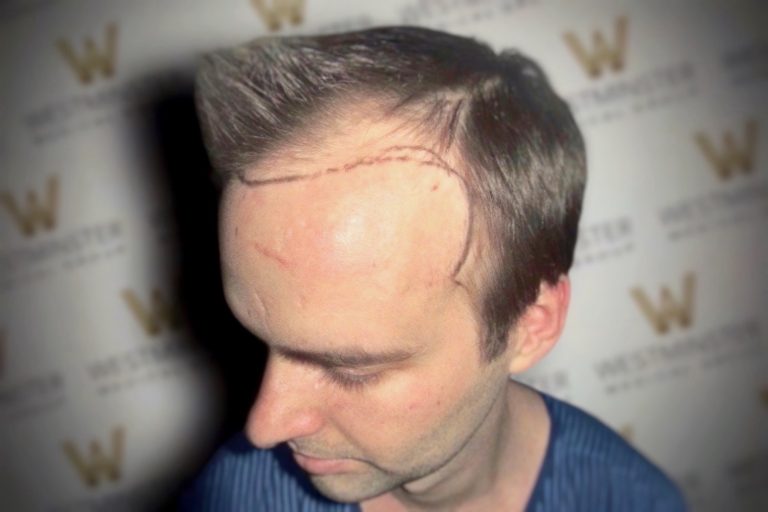
For anyone considering surgical hair restoration, London stands out for its concentration of elite surgeons, rigorous medical standards, and a long tradition of excellence. The area around Harley Street has become synonymous with premium care, yet navigating options can feel complex. Understanding the differences between techniques, how to judge surgeon skill, and the real timeline of results is essential. From evaluating clinic credentials to planning long-term donor management, the goal is to achieve natural coverage that ages gracefully—not just quick density. Whether seeking subtle temple reinforcement or a transformative full restoration, knowledge is the best safeguard for lasting, confident outcomes.
Why London—and Especially Harley Street—Leads in Advanced Hair Restoration
London’s heritage of private medical practice and innovation explains why many choose the city for hair restoration. The Harley Street district, in particular, offers a tight cluster of clinics and surgeons with decades of specialized experience. This concentration fosters peer oversight, shared standards, and access to the latest tools, from high-powered loupes to atraumatic punch systems. Patients can compare approaches, review extensive portfolios, and consult multiple experts within a short radius, dramatically improving the odds of a great fit between patient goals and surgical philosophy. It’s also where experienced teams refine techniques for delicate tasks like hairline micro-refinement and temple angle closure, which separate average outcomes from truly natural ones.
Regulatory safeguards add another layer of confidence. Clinics that operate transparently in the UK are subject to oversight that protects patient safety and continuity of care. Preoperative assessments, careful consent processes, and clear aftercare protocols are the norm among top providers. For those targeting the iconic address, searching for a hair transplant harley street clinic is often a practical first step—but it shouldn’t be the last. Judging the surgeon’s case mix, donor management strategy, and artistic hairline design is even more important than the postcode.
Beyond geography, the city’s diversity means clinics routinely handle a wide range of hair types and goals—from early-stage thinning to extensive Norwood patterns. London’s most respected teams approach each case with restraint and long-term planning, preserving donor supply for future loss and recognizing that hair restoration is both medical and aesthetic. In short, choosing a provider in London can combine state-of-the-art technique with an eye for subtle artistry, which is key to results that withstand scrutiny in any light or hairstyle.
When exploring options, review surgeon-led galleries and in-person results whenever possible. A clinic that emphasizes natural hairline transitions, feathered temple work, and even distribution across the forelock and mid-scalp tends to deliver outcomes that feel authentic. For many, starting with a consultation focused on the goals of hair transplant london patients helps clarify priorities, timelines, and the likely number of grafts while setting realistic expectations for density and maturation.
Techniques, Candidacy, and Natural Results: FUE, FUT, DHI, and Adjunctive Therapies
Modern surgical restoration centers on two foundational methods: Follicular Unit Extraction (FUE) and Follicular Unit Transplantation (FUT/strip). FUE uses tiny punches to remove individual grafts, resulting in dot-like scars spread across the donor area and enabling shorter haircuts. FUT removes a thin strip, allowing high graft counts with a linear scar that’s typically hidden under surrounding hair. A skilled surgeon will recommend the approach—or combination—that best safeguards donor reserves, meets styling preferences, and achieves the aesthetic plan.
Direct Hair Implantation (DHI) is a refined FUE variant that uses implanter pens to control angle, direction, and placement density with minimal handling. The goal across techniques is to reduce mechanical trauma, maintain hydration and temperature control, and optimize graft survival. Regardless of method, the hallmarks of excellence include careful punch sizing tailored to hair caliber, gentle extraction to protect follicles, and strategic distribution that balances coverage with future planning. Long-term thinking matters: even in younger patients, conservative hairline placement and graft budgeting protect options as hair loss progresses.
Adjunctive therapies can meaningfully improve outcomes. Platelet-Rich Plasma (PRP) is sometimes used intraoperatively or during aftercare to support healing and potentially enhance graft take. Medical therapy—finasteride, topical/minoxidil foam, and low-level laser treatments—can stabilize miniaturization and protect non-transplanted hair, particularly in the crown where density illusions are harder to create. The most successful programs don’t sell a procedure; they craft a comprehensive plan that covers surgery, medical maintenance, and ongoing reviews over months and years.
Excellent candidates include those with stable hair loss patterns, adequate donor density, and realistic expectations. During assessment, surgeons analyze hair caliber, curl, contrast with skin tone, and donor availability to estimate how well transplanted hair can camouflage thinning. Artistry matters as much as science: the best outcomes mimic natural growth with micro- and macro-irregularities, softer single-hair grafts at the lead edge, and gradual increases in density behind the hairline. This is where truly best hair transplant london results distinguish themselves—by resisting detection even in bright light and short hairstyles.
Costs, Recovery, and Real-World Examples from the UK
Pricing in the UK varies with surgeon reputation, team size, graft numbers, and technique. Per-graft fees typically reflect the level of surgeon involvement and clinic infrastructure required for high survival rates. While cost can guide budgeting, it should not be the deciding factor; cutting corners on surgical leadership, graft handling, or aftercare risks yield and naturalness. Reputable clinics provide detailed breakdowns, show comparable cases, and give clear timelines for visible growth—usually initial shed at weeks 2–4, subtle regrowth by month 3–4, significant improvements by months 6–9, and full maturation around 12–15 months.
Recovery is straightforward for most patients. Expect redness and tiny scabs for several days, with donor tenderness and mild swelling that dissipates within a week. Precision aftercare—saline sprays, gentle washing, and sleeping position adjustments—protects grafts in the critical early phase. Athletes and physically demanding professionals should plan a brief reduction in impact activities. Sensation changes can occur but typically normalize over weeks to months. With careful technique, scarring is minimized, and when combined with sensible grooming, even short haircuts can look natural after FUE.
Real-world outcomes illustrate the value of planning. Consider a 28-year-old with early recession and strong donor density. A conservative 1,600–1,900 FUE session strategically rebuilds the hairline and temples using fine singles at the front and doubles behind, paired with oral or topical medical therapy to stabilize the mid-scalp. Because the hairline is placed judiciously, future sessions remain feasible if loss progresses. Contrast that with a 42-year-old at Norwood V: the plan prioritizes frontal third and mid-scalp framing with 3,000–3,500 grafts, using multi-hair units to create coverage illusions and deferring crown work until stability is proven. The result is a balanced appearance that restores facial proportions without overconsuming donor supply.
Patients looking specifically for hair transplant uk solutions benefit from the country’s strong clinical culture and follow-up support. Postoperative reviews with the operating surgeon, adjustments to medical therapy, and periodic photography ensure accountability. Equally important is transparency around potential risks: shock loss in surrounding miniaturized hairs, temporary pimples from new hair growth, or slower-than-expected maturation in coarse or curly grafts. A clinic that explains these possibilities upfront and shows examples of full journeys—from pre-op to 18 months—demonstrates confidence and consistency. As with any specialty service, provider selection should hinge on skill, ethics, and proof of outcomes—not marketing alone.