Start With Strategy: Assess, Prioritize, and Protect
Every successful project begins with a plan. Effective home repair starts by understanding what your house needs right now, what can wait, and how each fix impacts safety, comfort, and value. Walk the property with a notepad: rooflines, gutters, grading, siding, windows, and doors outside; then inside, scan ceilings for stains, check flooring for soft spots, test outlets and GFCIs, and open and shut every window. This simple audit uncovers both urgent hazards and sneaky inefficiencies that quietly drain budgets, like slow plumbing leaks or poor attic ventilation.
Prioritize repairs using a “safety-structure-water-energy” ladder. Tackle hazards first: faulty wiring, missing smoke or CO detectors, wobbly railings, or loose steps. Next, address structural concerns—sagging beams, compromised joists, or cracked foundations. Water is third because moisture is the silent destroyer; find the source, then fix the symptom. Finally, chase energy losses through air sealing, weatherstripping, and insulation. This triage ensures your dollars go where they matter most and prevents small issues from snowballing into major expenses.
Build a realistic budget and timeline. Create three buckets: immediate (0–30 days), near-term (3–6 months), and planned upgrades (6–18 months). Pair each task with a cost range and contingency buffer. Factor in the season: roof work, exterior paint, and concrete prefer mild, dry weather; interior projects like electrical upgrades, drywall, and flooring fit cold months. Keep a maintenance calendar—filters every 90 days, water heater flush annually, gutter clean-outs each spring and fall, and caulking checks around wet areas twice a year—to maintain momentum and avoid emergency calls.
Safety is nonnegotiable. Use proper PPE: safety glasses, hearing protection, gloves, and a respirator when sanding, cutting, or handling chemicals. Verify ladder angles and tie-offs. Shut off circuits at the breaker and water at the valve before work starts. When codes, permits, or structural components are involved, involve a licensed professional. A strategic approach grounded in safety, structural integrity, and preventive maintenance keeps the home resilient while making every hour and dollar count.
Systems You Can Tackle: Plumbing, Electrical, and HVAC Essentials
Plumbing fixes often deliver quick wins. Identify your main shutoff and fixture valves so you can stop a leak in seconds. For slow drains, remove and clean the P-trap, then flush lines with hot water and enzyme cleaner to maintain flow without harsh chemicals. Dripping faucets usually trace to worn cartridges or O-rings; bring the old part to the store to match. Recaulk tubs and showers with a mildew-resistant silicone, removing all old material and cleaning thoroughly for proper adhesion. Toilets running intermittently often need a new flapper and fill valve—an affordable, 30-minute job that slashes water waste.
Electrical work demands caution and respect for code. Always test for power with a non-contact voltage tester after flipping the breaker. Replace discolored or loose outlets and consider upgrading to GFCI in kitchens, bathrooms, garages, and exterior locations. If lights flicker under load, label your panel and balance circuits rather than adding daisy-chained power strips. When adding a new fixture, confirm box ratings and support; heavy ceiling lights or fans require reinforced boxes. For anything beyond simple swaps—new circuits, service upgrades, aluminum wiring remediation—hire a pro to ensure code compliance and long-term safety.
HVAC efficiency hinges on airflow and cleanliness. Change filters quarterly (monthly with pets or allergies) and keep supply and return vents unobstructed. Vacuum registers and gently brush coils on window units. Seal duct leaks with mastic, not cloth “duct” tape, and insulate exposed runs in unconditioned spaces. Program your thermostat for set-and-forget comfort: small, consistent setbacks save more than big temperature swings. If rooms vary widely in temperature, look for leaky ducts, blocked returns, or attic insulation gaps before assuming the unit is undersized. Annual professional service—especially before peak seasons—extends equipment life and maintains warranty coverage.
Know your limits. The moment a job involves gas lines, main electrical panels, structural changes, or permits, the smartest DIY move is calling a qualified contractor. When scopes scale up—foundation repairs, roofing systems, large-scale remodels—work with a specialized Home Repair partner who can coordinate trades, pull permits, and stand behind the result. A good pro won’t just fix today’s symptom; they’ll identify upstream causes and craft a plan that protects your investment long term.
Boost Curb Appeal and Efficiency: Exteriors, Energy, and Smart Upgrades
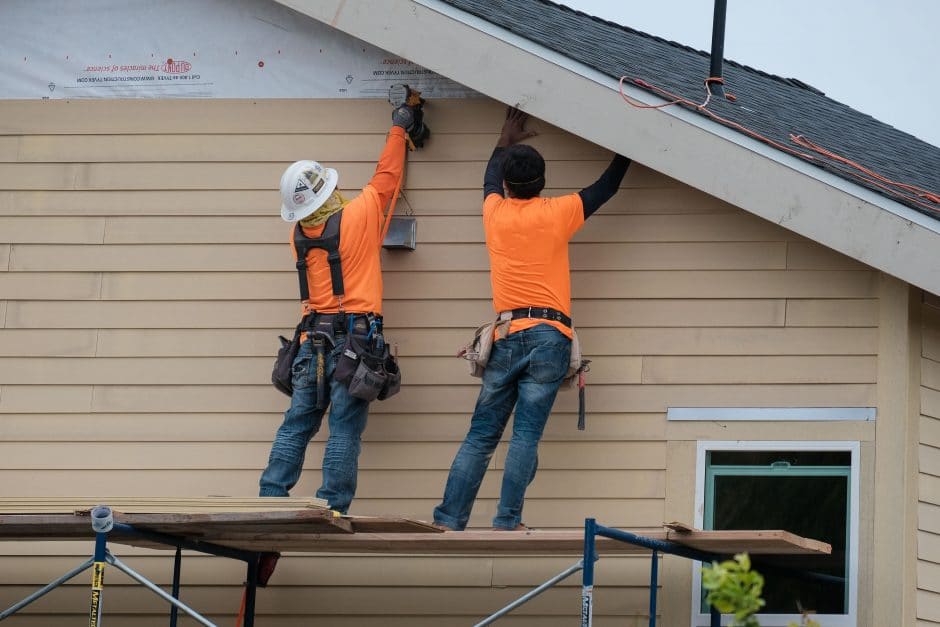
Exterior repairs protect the envelope that keeps weather out and comfort in. Start at the top: inspect shingles for curling, missing tabs, and granule loss. Replace compromised flashing at chimneys and skylights—these intersections are frequent leak sources. Clean gutters and extend downspouts at least six feet from the foundation to prevent basement dampness and frost heave. Address siding gaps and paint failures quickly; wood rot accelerates when moisture breaches coatings. On decks, probe posts and stair stringers with an awl, tighten ledger connections, and replace corroded fasteners with exterior-rated screws for a safer, longer-lasting structure.
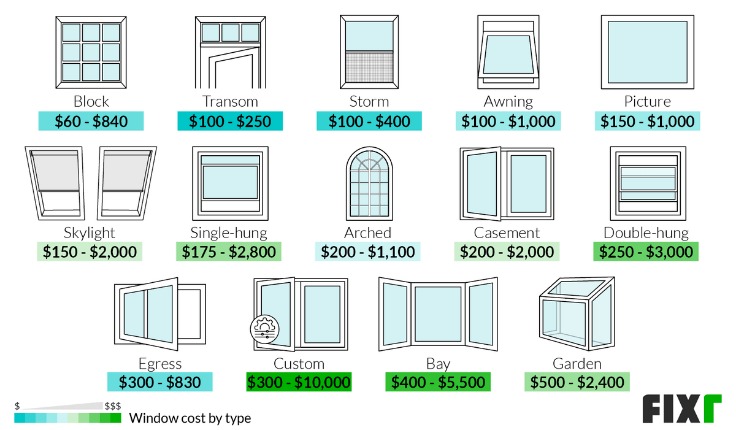
Energy upgrades pay dividends year-round. Air sealing is the unsung hero: use foam or caulk around penetrations, top plates, and window/door casings, then add insulation where it provides the best ROI—often the attic. In cold climates, aim for at least R-49 overhead; in hot climates, radiant barriers and proper ventilation fight heat gain. Replace worn weatherstripping and adjust door thresholds to stop drafts. Consider low-e storm windows if full replacements aren’t in budget; they can deliver much of the comfort benefit for a fraction of the cost. Inside, switch to LED lighting, install smart dimmers, and add occupancy sensors in low-traffic spaces.
Strategic upgrades also enhance value. In kitchens and baths, repair before replacing: refinish tubs, re-grout tile, and install efficient fixtures to modernize without a gut remodel. In living spaces, correct squeaky subfloors prior to new flooring, then transition to durable, easy-care materials like engineered hardwood or high-quality LVP. On the exterior, a thoughtful paint scheme with strong contrast between body, trim, and front door refreshes curb appeal. Add solar pathway lights, prune overgrown shrubs, and repair house numbers and mailbox hardware—small touches that signal care and quality to buyers and visitors alike.
Consider a real-world example: a 1970s ranch with drafty rooms and a musty basement. The owners first regraded soil to shed water, added gutter extensions, and sealed foundation cracks. Inside, they installed GFCIs, replaced a failing sump pump with a battery backup, and air sealed the rim joists. Next came attic air sealing and blown-in cellulose to R-49, followed by weatherstripping doors and tuning the HVAC with a fresh filter and balanced dampers. Finally, they repainted the exterior and repaired the deck ledger. The result: reduced humidity, lower energy bills, fewer odors, and a notable uptick in appraised value—proof that disciplined home repair sequencing multiplies returns.