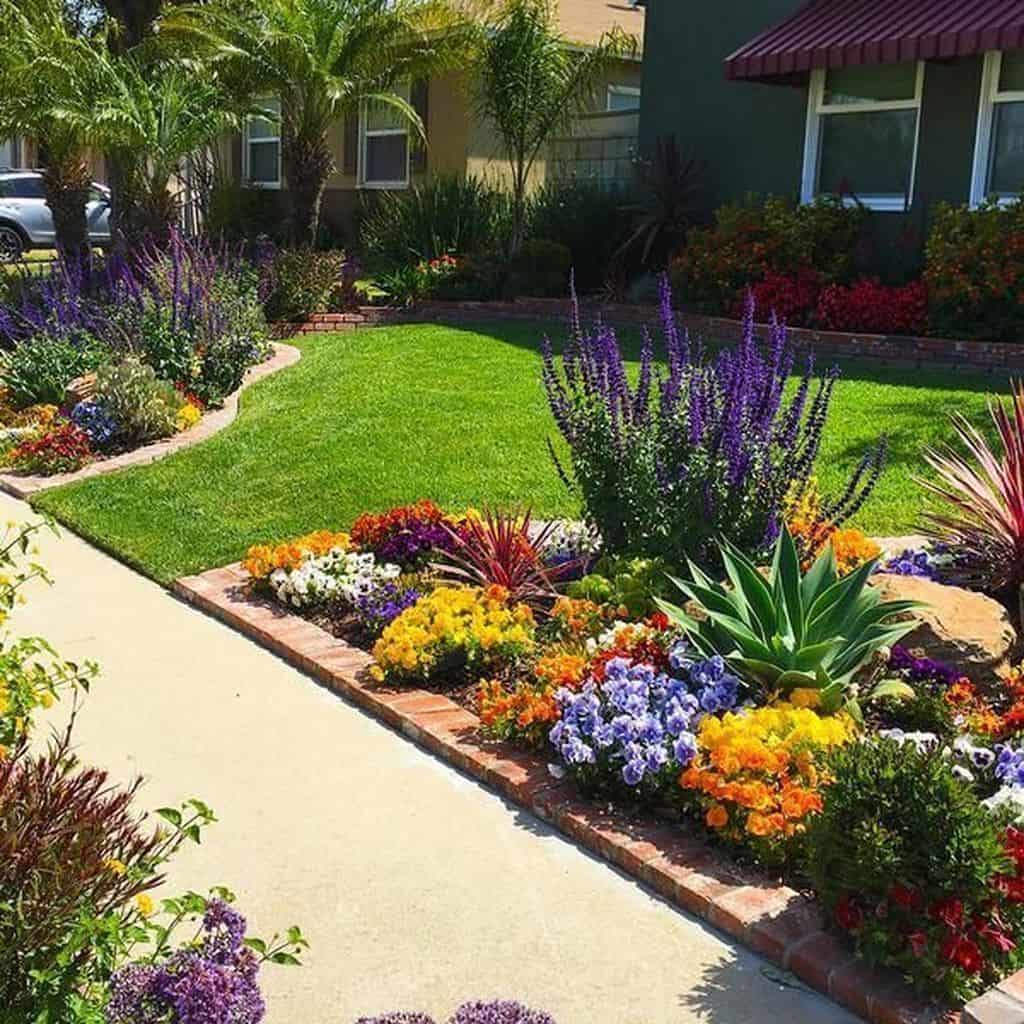
Why smart irrigation is essential for modern lawn care
Maintaining a healthy lawn and garden in an age of tighter water restrictions and rising utility costs requires smarter tools than traditional timers and manual hoses. A modern approach combines weather-aware scheduling, flow monitoring, and remote control to deliver precise hydration where and when plants need it. Homeowners and landscape professionals increasingly turn to solutions that save water without sacrificing lush, green results. The trend toward connected devices has accelerated expectations: systems must be reliable, intuitive, and demonstrably efficient.
Key drivers for adoption include environmental responsibility, regulatory pressure, and the desire to reduce operating costs. Smart controllers that integrate local weather data, soil moisture readings, and plant-type profiles can reduce overwatering by large margins. In 2026, expectations for Smart lawn care 2026 include seamless mobile control, voice integration, and predictive scheduling that adapts in real time. These features not only conserve water but also lower energy use for pumping and decrease runoff that can carry fertilizers into storm drains.
Technology shown at recent conferences like CES has spotlighted how irrigation can evolve. When innovations promise simpler installation and intuitive interfaces, adoption accelerates. The benefits are not just technical; they are financial and ecological. Property owners who switch to smarter systems often see clear reductions in water bills and healthier plantings. For anyone planning new landscaping or upgrading an aging system, investing in a connected solution is a strategic move that aligns with sustainability goals and long-term value creation.
Capabilities and innovations of the RainPoint smart irrigation system
The RainPoint smart irrigation system exemplifies the all-in-one approach that modern yards demand. Combining a robust controller, integrated sensors, and cloud-based intelligence, the system automates irrigation while offering granular control. Users can set zone-specific schedules, account for microclimates across a property, and receive alerts for leaks or unusual flow patterns. The platform intelligently adjusts watering based on forecasted rainfall, local humidity, and evapotranspiration rates to avoid unnecessary cycles.
Ease of setup is a hallmark of next-generation products: onboard Wi-Fi connectivity and guided mobile setup reduce installation time, while modular hardware supports expansions for larger properties. For those seeking a compact, user-friendly solution, the RainPoint The All-in-One Smart Irrigation System bundles essential capabilities into a single package that simplifies both purchase and deployment. Built-in diagnostics and firmware updates keep systems secure and continually improving without complex maintenance.
Advanced features often include flow sensing, per-zone water usage reporting, and integration with smart-home ecosystems. Such capabilities enable landscape professionals and homeowners to monitor consumption trends and optimize schedules for different plant types—lawns, flower beds, shrub borders, and vegetable patches. The addition of optional soil moisture probes or weather stations further refines scheduling, ensuring roots receive the right amount of water at the right depth. With these tools, automatic watering becomes an intelligent partner in garden health rather than a simple timer.
Real-world examples, case studies, and the ROI of switching to RainPoint
Several early adopters have reported meaningful improvements after installing integrated systems. In a suburban retrofit project, a homeowner replaced an aging mechanical timer with a connected controller and sensors across five zones. Within a season, irrigation run-time dropped by nearly 30% as the controller compensated for shaded areas and recent storms. The reduction translated to measurable savings on the monthly water bill and visibly healthier perennials that no longer suffered from overwatering.
Community and municipal deployments highlight larger-scale benefits. Parks departments that implement centralized smart controllers can coordinate irrigation across multiple sites, reducing both labor costs and total water use. One municipal case study documented a 25% reduction in seasonal water consumption after switching to a weather-aware schedule and leak detection. Early detection of pipe breaks or stuck valves minimized turf loss and avoided costly emergency repairs.
For landscape professionals, smarter irrigation systems create new service opportunities: remote diagnostics, tailored watering plans for clients, and value-added monitoring subscriptions. The payback period for a residential installation depends on local water rates and the extent of previous inefficiencies, but many homeowners recoup their investment within a few years through utility savings and reduced plant replacement costs. Beyond pure economics, the environmental benefits—less runoff, lower demand on municipal supplies, and healthier urban green spaces—make smart irrigation an investment in community resilience as well as individual property value.