For many Australian buyers, the term flood free house triggers a sense of relief. It suggests lower risk, fewer emergency clean-ups, and a more predictable investment. But in markets shaped by rivers, creeks, and intense summer storms, flood risk is not always visible from the kerb. Buyers in suburbs like Oxley and across Brisbane’s western corridor increasingly look beyond paint colours and floor plans to assess where water would go in a severe weather event. This guide explains what a flood free house really means, why it matters financially and practically, and how to evaluate one before you commit.
What “Flood Free House” Really Means
A flood free house is not simply a property that has never flooded. In real estate, the term should be understood as a property whose primary living areas sit above the mapped flood levels used by local government and insurers. In Brisbane, this is commonly linked to the 1% Annual Exceedance Probability flood level, also known as the one-in-100-year flood. Some properties may have water across a small corner of the yard or a garage that could take water in an extreme event, but if the bedrooms, kitchen, and living areas remain dry, the home can still be considered flood free.
This distinction is important because visual clues can be misleading. A house on a flat block may look safe, yet sit within an overland flow path during heavy rain. Another home on a sloping block may appear vulnerable, but its elevated construction keeps every habitable room well above the modelled flood height. The most reliable way to understand risk is to review council flood mapping and compare the required floor level with the finished floor level of the home.
For Brisbane buyers, local context shapes this equation. Some parts of Oxley and nearby river suburbs carry higher flood exposure, while pockets on elevated land remain well clear of mapped inundation. This is why buyers increasingly search for a flood free house as a non-negotiable feature. It removes ambiguity and reduces the chance of discovering a hidden risk after the contract is signed.
The Practical and Financial Benefits of a Flood Free House
A genuinely flood free property offers benefits that extend far beyond storm season. The most immediate advantage is insurance. Household insurance premiums are heavily influenced by flood mapping. A home that falls outside high-risk flood zones or has living areas well above flood levels often attracts lower premiums and fewer exclusions. Lenders are also becoming more cautious about climate-related risks, so a flood free house is easier to finance and can hold its mortgage approval value more strongly over time.
There is also a clear resale advantage. When future buyers inspect a home, flood history is one of the first things they ask about. A property that can demonstrate a clean flood search and elevated living areas will typically appeal to a broader pool of buyers. In suburbs such as Oxley, where flood risk can vary from one street to the next, homes on flood-free blocks often generate stronger competition and more stable comparative sales. The market increasingly treats flood safety as a premium feature rather than a background detail.
Beyond the financial side, the lifestyle benefits are significant. Living in a flood free house means you are less likely to face ruined furniture, water-damaged gyprock, mould issues, or the stress of watching water creep toward your front door. During heavy rain, owners can focus on normal routines instead of moving possessions upstairs. This certainty is especially valuable for families, older buyers, remote workers with home offices, and anyone who has previously experienced flooding.
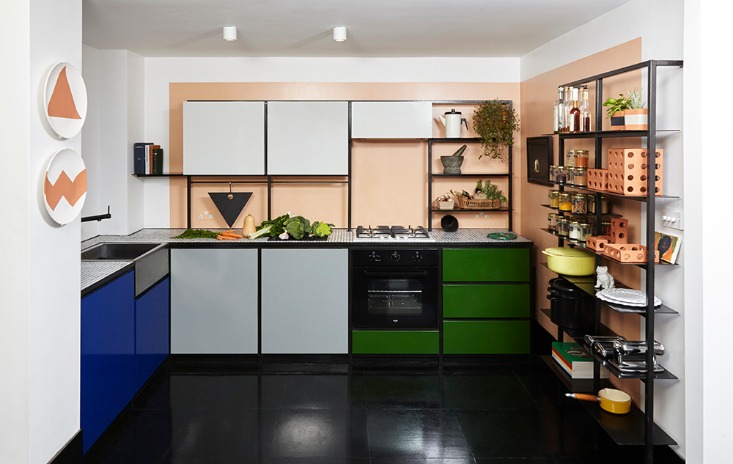
A strong local example can be found in Oxley, where a renovated mid-century modern home on a 620 sqm block combines elevated land with thoughtful modern upgrades. This flood free house demonstrates how a property can deliver everyday comfort, architectural character, and genuine flood resilience in one purchase.
How to Evaluate a Flood Free House Before You Buy
Even when a listing uses the phrase flood free house, your own due diligence is essential. Start with council flood maps and a flood search report. These documents show whether the property falls within a high, medium, low, or very low flood risk area. They also identify overland flow paths, creek flooding, and river inundation levels. Do not rely on the seller’s memory or the absence of water stains alone. A property may have escaped recent flooding because the region has not experienced a major event, not because the site is genuinely safe.
Next, examine the property itself. Look at the relationship between the finished floor level and the mapped flood level. If the lower level is a garage, rumpus, or storage area, ask whether it has water-resistant finishes and drainage. A well-prepared property may have tiled floors, minimal carpet in low areas, power points raised above likely water levels, and downpipes that discharge safely away from the building. The most reassuring homes have a clear separation between potential water entry zones and the spaces used for daily living.
It is also wise to consider future changes. Urban development, new roads, and climate shifts can affect flood modelling over time. A home that barely meets the minimum flood-free standard today may face pressure in the years ahead. Look for a property with a comfortable buffer above the required level rather than one that only just complies. Trees, retaining walls, and garden drainage should also be inspected, because poor landscaping can direct water toward a house even when the block itself is above the mapped flood line.
Consider the long-term maintenance and adaptation potential as well. A house with a generous buffer above the flood level, good drainage, and flexible lower-level spaces will be easier to repair and more likely to remain insurable if flood maps are revised. Engaging a building inspector, solicitor, and local flood specialist can confirm whether the property is genuinely a flood free house rather than merely flood-affected but currently dry.